
Bournemouth's seven-mile stretch of sand has long been its calling card, but the town's identity is shifting. Walk along the promenade on a grey Tuesday in November and you'll see dog walkers in waterproofs, a few hardy surfers paddling out near Boscombe Pier, and council workers repairing storm-damaged groynes. It's not the postcard version。but it's the real one.The pier itself tells the story. Built in 1880, it was once the gateway for Victorian day-trippers arriving by steamer. Today, the Royal National Lifeboat Institution operates from a modern station nearby, and the pier's theatre hosts everything from tribute bands to comedy nights. A £4 million restoration in 2016 replaced timber decking and reinforced the substructure — practical work that rarely makes headlines but keeps the structure standing. I've watched the pier in February wind, almost empty。and in August sunshine, packed with families eating ice cream. Both versions feel authentic.
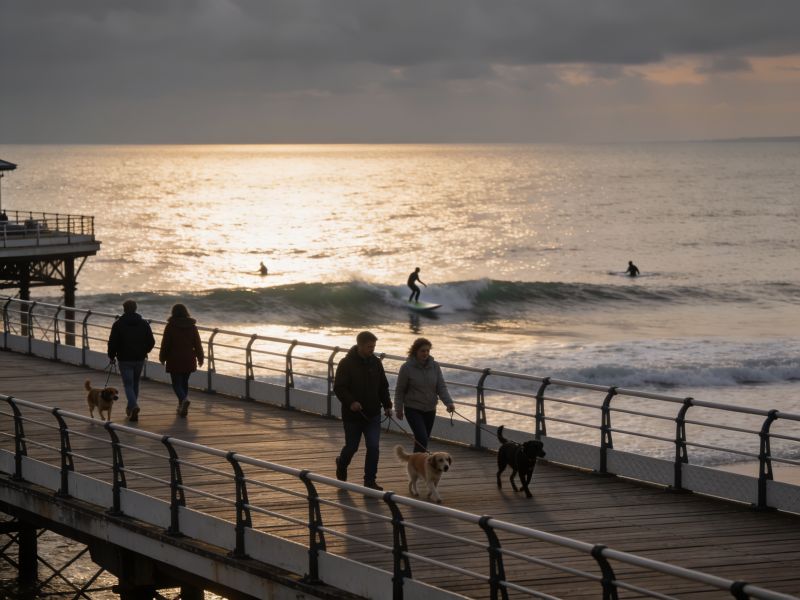
Boscombe。just east of the town centre, has its own character. The Boscombe Regeneration Project, launched in the late 2000s, aimed to improve housing and the high street. Results are mixed. The pedestrianised precinct has new paving and lighting, yet several shop units remain empty. A local café owner told me footfall never fully recovered after the 2008 financial crisis. Still, the area has a strong community spirit — the Boscombe Community Market runs monthly, and the nearby Shelley Theatre, a restored Victorian gem, punches above its weight with independent films and live events.Bournemouth's appeal isn't flashy. It's the everyday stuff: the Russell-Cotes Art Gallery with its eccentric collection。the Lower Gardens in autumn when the trees turn gold, the chippy near the pier that's been frying cod for forty years. The town has two universities — Bournemouth University and Arts University Bournemouth — which bring a younger energy. You'll see students cycling along the seafront path, laptops open in coffee shops on Holdenhurst Road. That mix of retirees, families, and students gives Bournemouth a texture that pure resort towns often lack.What's next?
The council's seafront strategy includes flood defence improvements and a push for year-round events. The Bournemouth Air Festival。held each August, draws hundreds of thousands, but some residents argue it strains infrastructure. Change is inevitable. The town's challenge is to keep its unpretentious charm while adapting. On a recent visit, I sat on a bench near Durley Chine, watching a father teach his daughter to skim stones. That simple moment — repeated countless times along this coast — is Bournemouth's real asset. It doesn't need reinventing, just protecting.